The short answer: tallow and lanolin are both animal-derived and both keep skin feeling soft, but they are different materials. Tallow is a rendered fat from beef suet that melts on contact with skin and feels like a rich cream. Lanolin is a sticky wax that sheep produce to coat their wool; it is thicker, tackier and sits on top of skin as a heavy seal. Tallow is the easier everyday moisturizer for face and body. Lanolin shines for small, very dry spots where you want a stubborn, long-lasting layer, as long as you don't react to it.
Below is how the two compare on what they are, how they feel, who each suits, and how to choose. If you'd rather skip the reading and get matched to a formula, take our free 10-second Skin Scan.
Tallow vs lanolin at a glance
| Tallow | Lanolin | |
|---|---|---|
| What it is | Fat rendered from beef suet (the fat around the kidneys) | Wax collected from sheep's wool after shearing |
| Chemically | Mostly triglycerides (fats) | Mostly wax esters, sterols and fatty alcohols |
| Texture | Firm in the jar, melts with body heat; whipped versions feel like a light cream | Very thick and tacky, like soft honey that doesn't melt away |
| Finish | Soft, satiny; absorbs over several minutes | Shiny, sticky layer that stays put |
| Best for | Daily face and body moisturizing, hands, lips | Small very dry patches: lips, heels, cuticles |
| Smell | Close to none when well rendered | Faint waxy or "woolly" smell in purer grades |
| Vegetarian? | No (beef by-product) | No, though no animal is harmed to collect it |
What is tallow?
Tallow is beef fat that has been slowly melted down (rendered) and strained. For skincare, the best tallow comes from suet, the dense fat around the kidneys, because it renders clean and firm. At room temperature it is a solid, but it softens quickly against warm skin, which is why it spreads more like a balm than a wax.
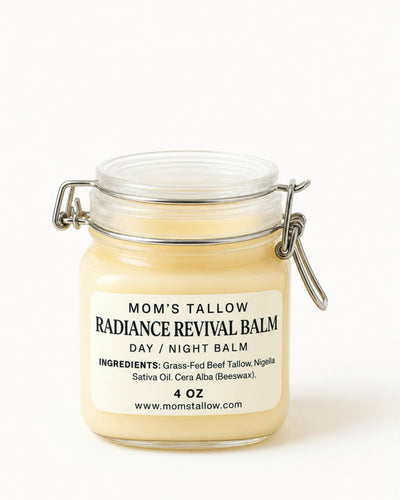
On its own, tallow can feel quite firm. Most tallow skincare whips it with air or blends it with a little oil so it glides on easily. Our Luxe Hydration Tallow Face Cream is whipped light for daily use, while our Radiance Revival Tallow Balm stays richer and denser for very dry skin. If you want to know what "grass-fed" changes, we cover that in What Is Grass-Fed Tallow?
What is lanolin?
Lanolin is a wax that sheep secrete from glands in their skin to coat and waterproof their wool. When the wool is sheared and washed, the wax is separated out, then refined into the yellowish, sticky substance sold as lanolin. Dermatology Times describes it simply as "a moisturizing wax extracted from sheep wool" (source).
Because it is a wax rather than a fat, lanolin doesn't melt into skin the way tallow does. It forms a dense, flexible layer on the surface. That's why you'll find it in heavy lip ointments, heel balms and many nipple creams: it stays where you put it.
How they feel on skin
Tallow: rich but it disappears
A good tallow cream feels rich for the first minute or two, then settles into a soft, satiny finish. On the face, a pea-sized amount covers everything. If you've only tried waxy balms, tallow feels noticeably less greasy once it absorbs, especially in whipped form.
Lanolin: thick, tacky and staying
Lanolin is famously sticky. It drags a little as you spread it, leaves a visible shine, and can feel heavy on the face. That stickiness is also its strength: on a cracked heel or a dry lip corner, it doesn't wipe off easily. Many people find pure lanolin too heavy for anything larger than a fingertip-sized area.
Sensitivity: what to know about lanolin
Lanolin isn't a problem for most people, but it is a known allergen for some. The American Contact Dermatitis Society named lanolin its "Allergen of the Year" for 2023, and Dermatology Times reports that the rate of lanolin contact allergy among people seen for skin patch testing ranges from about 1.2% to 6.9% (source). A large British study of 24,449 patients who were patch tested found an average yearly lanolin sensitivity rate of 1.7% (British Journal of Dermatology, 2001).
Tallow is not on lists like that, but any ingredient can bother someone. If your skin is easily upset by new products, patch test either one: dab a little on the inside of your forearm for a few days before using it on your face. If you already know you react to wool or lanolin, tallow-based skincare without lanolin is the simpler swap. Check labels carefully, because lanolin also appears as "wool wax", "wool fat" or "lanolin alcohol".
Which is better for lips?
Both work, and both are long-lasting. The difference is feel. A lanolin ointment gives a thick, glossy coat that you notice on your lips. A tallow lip balm feels softer and more natural, and doesn't leave as much shine.
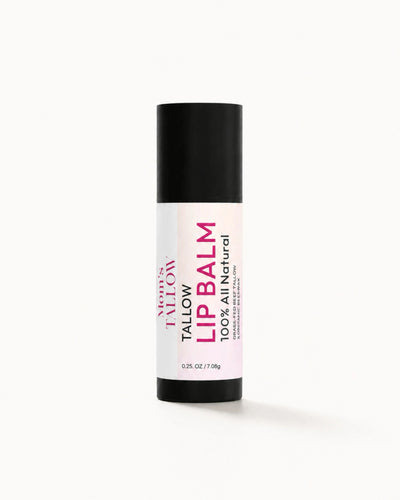
Our Tallow Lip Balm is made from just two ingredients, grass-fed beef tallow and beeswax, with no lanolin. The beeswax gives it structure so it lasts, while the tallow keeps it smooth. If you're curious how beeswax compares to lanolin directly, read Beeswax vs Lanolin.
Which is better for your face?
For most people, tallow. Pure lanolin is heavy and sticky for an all-over face moisturizer, and it can feel like it's sitting on top of your skin all day. Tallow, especially whipped, is far more comfortable for daily use, morning or night.
Pick your tallow by skin feel:
- Light, everyday moisture: Luxe Hydration Tallow Face Cream.
- Easily upset skin that prefers fewer ingredients: Skin Serenity Face Cream, fragrance-free with grass-fed tallow, olive oil, raw honey and vitamin E.
- Very dry patches, elbows, heels: Radiance Revival Tallow Balm.
Not sure which one fits? The free Skin Scan uses your camera to look at radiance, evenness, shine and calm and suggests a formula in about ten seconds. It's a cosmetic guide to how your skin looks in the light, and your image never leaves your device.
Which is better for hands, heels and cuticles?
This is where lanolin earns its place. For cracked-feeling heels or rough cuticles, a dab of lanolin at night under socks or gloves gives a heavy layer that lasts until morning. A rich tallow balm does a similar job with a softer feel, and is easier to use on your whole hand without leaving everything you touch sticky.
A practical routine many people like: tallow balm on hands during the day, and if one spot needs extra, a heavier layer at night.
Sourcing, smell and how they're made
Tallow quality comes down to the suet and the rendering. Slow, careful rendering and straining gives a clean, nearly odorless fat. Poorly rendered tallow can smell beefy. (More on that in Does Tallow Skincare Smell?) We render grass-fed tallow and make every jar in small batches in New Jersey.
Lanolin quality depends on how well it's refined after being washed out of wool. Higher grades are paler and smell less. Lanolin is collected from shorn wool, so the sheep are not killed for it, which matters to some shoppers.
Can you use tallow and lanolin together?
Yes. They don't cancel each other out. If you like a tallow face cream but want a heavier seal on one dry spot, add a tiny amount of lanolin on top of that spot only. Apply the lighter product (tallow) first, then the heavier one (lanolin). Just skip lanolin entirely if you've ever reacted to it.
How to choose
- Want one moisturizer for face and body? Choose tallow.
- Need a thick, stay-put layer for a small, very dry area? Lanolin is a good fit, or use a rich tallow balm.
- Know you react to wool or lanolin? Choose tallow and check labels for wool wax.
- Dislike sticky or shiny finishes? Choose whipped tallow.
- Prefer the fewest ingredients possible? Look for short labels on either one. Our lip balm has two ingredients.
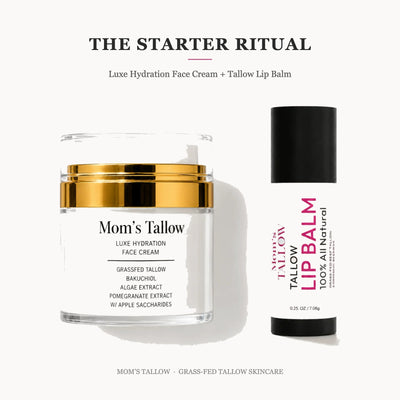
A simple way to try tallow without guessing is The Starter Ritual, which pairs our Luxe Hydration Face Cream with our Tallow Lip Balm. US orders over $75 ship free.
FAQ
Is tallow the same as lanolin?
No. Tallow is a fat rendered from beef suet. Lanolin is a wax from sheep's wool. They're both animal-derived, but tallow melts into skin while lanolin forms a thick, sticky layer on top.
Which is less greasy, tallow or lanolin?
Tallow, especially whipped tallow. It feels rich at first and then settles into a soft finish. Lanolin stays tacky and shiny.
Does Mom's Tallow lip balm contain lanolin?
No. Our Tallow Lip Balm is made with two ingredients: grass-fed beef tallow and beeswax.
Can I use tallow if I'm sensitive to lanolin?
They're different ingredients, so a lanolin sensitivity doesn't mean you'll react to tallow. Still, patch test any new product on your inner forearm for a few days first, and check labels for "wool wax" or "lanolin alcohol".
Is lanolin or tallow better for very dry lips?
Both last a long time. Lanolin gives a thicker, glossier coat; tallow balm feels softer and more natural. Choose by the finish you like.