The short answer: tallow balm works well as the rich, sealing last step for dry, rough heels, especially at night. Soak or shower briefly, gently smooth the heel, then, while the skin is still damp, rub in a fingertip of tallow balm and pull on cotton socks. That matches the routine dermatologists recommend with petroleum jelly or a heavy oil-based cream. Tallow doesn't exfoliate, though, so for thick, hard skin you may want to pair it with a urea or alpha hydroxy acid foot cream. And if your cracks are deep, bleeding or painful, or you have diabetes, see a doctor rather than handling it at home.
Heels take a beating in winter: dry indoor air, hot showers, bare feet on cold floors and open-backed shoes all add up. The good news is that most dry, rough heels respond to a few consistent habits. Here's the simple version, and where tallow fits in.
Why heels get so dry and rough
The skin on your heels is thick and has no oil glands, so it relies on what you put on it to stay soft. When it dries out, it loses flexibility, and the pressure of walking can open small splits along the edge of the heel. The American Academy of Dermatology points to habits that make it worse, including long baths and showers, open-heeled shoes such as flip-flops and slingbacks, and worn-down or poorly fitting shoes (AAD: How to care for dry, cracked heels). The AAD also notes that cracked heels are sometimes linked to a medical condition such as diabetes, which is one reason to check with a doctor when they don't improve.
Where tallow fits (and where it doesn't)
Think of foot care in two jobs:
- Softening thick skin. Ingredients like urea, alpha hydroxy acids and salicylic acid loosen the build-up of dry, hard skin. The AAD suggests a cream with 10 to 25% urea, an alpha hydroxy acid or salicylic acid for dry heels. Tallow doesn't do this job.
- Sealing in moisture. A rich, oily layer slows water loss so skin stays supple overnight. Mayo Clinic suggests applying "a heavy, oil-based cream or petroleum jelly" to damp skin after a soak (Mayo Clinic). This is where a tallow balm fits.
So tallow is a good alternative to petroleum jelly for the sealing step if you prefer a short, food-grade ingredient list. Petroleum jelly is still the stronger seal; we compare the two honestly in Tallow Balm vs Petroleum Jelly.
The 5-step night routine for dry heels
- Keep the soak short. Soak your feet in warm water for about 10 minutes before bed, or do this right after a shower. The AAD recommends keeping baths and showers to 5 to 10 minutes, because longer soaking dries skin out.
- Smooth gently. While your feet are wet, rub your heels lightly with a foot scrubber or loofah, as Mayo Clinic suggests. Gentle is the word: never cut or shave hard skin yourself.
- Pat almost dry. Blot with a towel and leave the skin slightly damp. Damp skin is what the balm holds moisture in.
- Apply within 5 minutes. If you use a urea or AHA foot cream, put that on first. Then warm a fingertip of tallow balm between your palms and massage it into each heel, the sides of the foot and any rough spots on the toes.
- Socks on. Pull on clean cotton socks. They keep the balm on your feet instead of your sheets. Both the AAD and Mayo Clinic suggest socks after a rich moisturizer at night.
In the morning, a thin layer of a lighter body butter or lotion keeps heels comfortable in shoes. Repeat the night routine every evening while heels are rough, then a few nights a week to keep them soft.
How much to use
| Area | Amount | Tip |
|---|---|---|
| Each heel, very dry | A generous fingertip scoop | Massage until it's mostly absorbed, then socks |
| Each heel, maintenance | A pea to half a fingertip | Two or three nights a week |
| Toes and the ball of the foot | What's left on your hands | Skip between the toes |
| Daytime, in shoes | A thin layer of body butter | Let it sink in before socks and shoes |
If your feet feel slippery on the floor, you used too much. Always put socks or slippers on after applying; slick feet on hard floors are a fall risk.
Balm, body butter or cream: which for feet?
| Texture | Best for | Our pick |
|---|---|---|
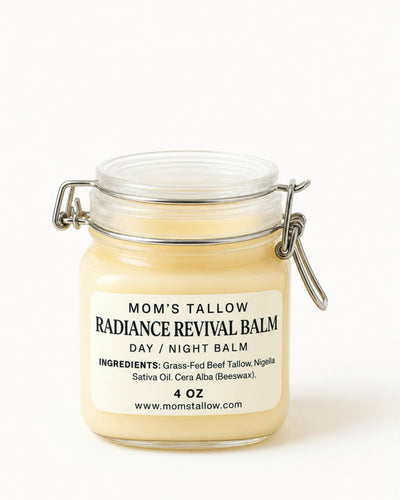
| Firm balm | Night routine on rough heels, the sealing layer | Radiance Revival Tallow Balm |
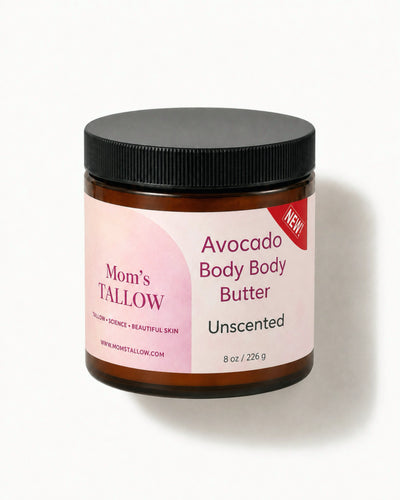
| Body butter | Daytime feet, legs and elbows | Avocado Tallow Body Butter |
| Lotion | Quick all-over moisture after a shower | Vitamin Tallow Body Lotion |
Not sure about the difference? Whipped Tallow vs Tallow Balm explains it. If you also deal with dry, rough hands, our guide to the best ingredients for dry, cracked hands uses the same idea: soften, then seal.
Everyday habits that help
- Short, warm showers. Hot water and long soaks pull oil from the skin.
- A gentle, fragrance-free cleanser. The AAD recommends this to help feet keep their natural oils.
- Moisturize daily, not just when it's bad. Mayo Clinic suggests a thick moisturizer at least twice a day.
- Closed-back shoes in winter. Open heels let the skin dry and spread under pressure.
- Socks around the house. Bare feet on cold, dry floors make things worse.
- A humidifier in the bedroom. It helps all your skin in dry, heated rooms. Our winter skincare routine covers the rest of the body.
Common mistakes
- Cutting or shaving hard skin. Razors and blades can cause cuts. Leave it to a gentle scrubber, and to a professional for anything more.
- Scrubbing hard every day. Over-scrubbing can leave skin raw. A light pass a few times a week is plenty.
- Applying balm to bone-dry feet. The seal works best on damp skin.
- Skipping socks. Most of the balm ends up on the sheets.
- Stopping once heels look better. Dry heels come back quickly in winter. Keep a lighter routine going.
When to see a doctor
Home care is for everyday dry, rough heels. See a doctor or a board-certified dermatologist if:
- Cracks are deep, bleeding, painful, red, warm or weeping
- Your heels don't improve after a couple of weeks of consistent care, which the AAD advises discussing with a dermatologist
- You have diabetes, poor circulation or reduced feeling in your feet; check with your doctor before treating any cracks yourself
Tallow balm is a cosmetic moisturizer. It isn't a treatment for any skin or foot condition.
A note on patch testing
Feet are rarely sensitive, but if you've never used tallow, or the balm contains essential oils, try a small dab on your inner arm for a few days first. Our balms list every ingredient on the label, and the unscented options are a good start for sensitive noses.
What we'd use
- Radiance Revival Tallow Balm (4 oz) for the night routine. A fingertip per heel means one jar lasts a long time.
- Avocado Tallow Body Butter for daytime feet, legs and elbows.
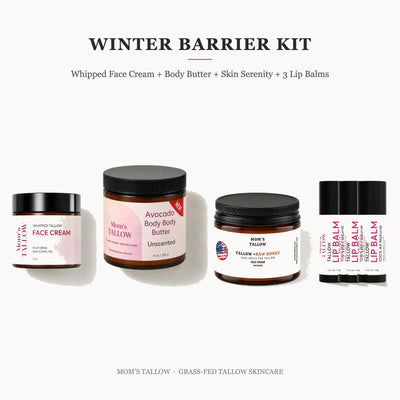
- The Winter Barrier Kit if you want a face cream, body butter, balm and lip balms in one box for the cold months.
Everything is made in small batches in New Jersey. If you go through a jar every month or two, Subscribe & Save takes 15% off every delivery, and US orders over $75 ship free. For your face, the free 10-second Skin Scan suggests a texture based on how your skin looks in the light; it's a cosmetic guide, not a medical test. If you like this overnight approach, tallow slugging uses the same idea on dry facial skin.
FAQ
Is beef tallow good for cracked heels?
Tallow balm is a good rich moisturizer for dry, rough heels, used on damp skin at night under socks. It doesn't exfoliate thick skin, so many people pair it with a urea or AHA foot cream. Deep, painful or bleeding cracks need a doctor.
Should I put tallow on my feet at night with socks?
Yes. A fingertip of balm on each damp heel, then clean cotton socks, keeps the balm on your skin overnight instead of on your sheets.
Is tallow better than Vaseline for heels?
Petroleum jelly is the stronger seal. Tallow balm feels softer and less sticky and has a short, recognizable ingredient list. Either works as the last step on damp skin.
Can I use tallow with a urea foot cream?
Yes. Apply the urea cream first and let it sink in, then seal with a thin layer of tallow balm. Urea creams can sting on broken skin, so skip them on open cracks.
How long until my heels feel softer?
Many people notice softer, more comfortable heels within a week or two of nightly care. If there's no improvement after a few weeks, check in with a dermatologist.