The short answer: treat a cold, windy day like a sunny one. Put on a rich moisturizer first, let it settle for a few minutes, then apply a broad-spectrum sunscreen on top. Cover what you can with a buff, scarf or ski mask, wear UV-blocking goggles or sunglasses, and use a lip balm (with SPF if you'll be in the sun for hours). Reapply sunscreen often, because wind and snow wear it off. When you get home, wash with lukewarm water and put a rich cream back on while your skin is still slightly damp.
Skiers, winter runners, dog walkers and anyone who waits for a school bus in January know the feeling: tight, stinging cheeks and chapped lips after an hour outside. Here's what's actually going on and a simple routine that keeps your face comfortable.
What "windburn" really is
Red, raw-feeling cheeks after a windy day get called windburn, but the sun is often the bigger culprit. Reid Health puts it plainly: "it's primarily the sun that is likely responsible for what is generally thought of as windburn," and cold, dry air makes the skin less able to hold onto moisture (Reid Health). Cold also hides the warmth you'd normally feel from the sun, so you don't notice until later.
Snow makes it worse. The Skin Cancer Foundation notes that "snow reflects up to 80 percent of the sun's UV light," and that skiing and snowboarding happen at higher altitude, where the thinner atmosphere absorbs less UV (Skin Cancer Foundation). So a sunny day on the slopes can hit your face from above and below.
That gives you two jobs: protect from UV (sunscreen, goggles, coverage) and protect from dryness (a rich moisturizer and a good lip balm). A tallow cream helps with the second job only. It is not a sunscreen.
The cold-wind routine, step by step
Before you go out
- Cleanse gently, or just rinse. Lukewarm water and a mild cleanser. Skip scrubs and strong acids the morning of a long day outside.
- Moisturize with something rich. Warm a pea-sized amount of tallow cream between your fingertips and press it over cheeks, nose, chin and forehead, the places the wind hits. Add a little more on the cheekbones and the tip of the nose.
- Wait 3 to 5 minutes. Let the cream settle so your sunscreen goes on evenly instead of sliding around.
- Sunscreen on top. Use a broad-spectrum sunscreen on all exposed skin. The Skin Cancer Foundation recommends SPF 15 or higher daily and suggests a moisturizing sunscreen for dry winter skin; for a full day on snow, many people choose SPF 30 or more. Don't forget ears and the underside of your chin, which catch reflected light.
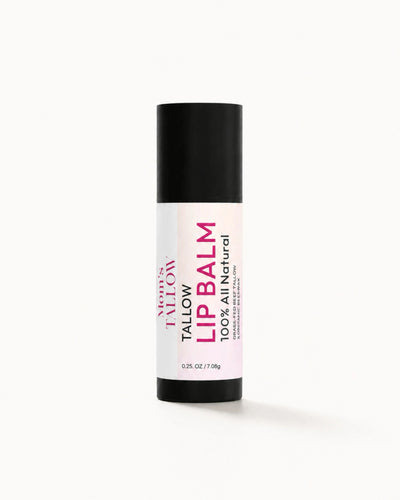
- Lips last. A tallow lip balm for comfort; for hours in bright sun, add or switch to a lip balm with SPF.
- Cover up. A buff, neck gaiter, scarf or ski mask over the lower face, a hat or helmet liner over the ears, and UV-blocking goggles or sunglasses.
While you're out
- Reapply sunscreen. The Skin Cancer Foundation's guidance is to reapply at least every two hours, and more often when wind, snow and wiping your nose rub it off (Skin Cancer Foundation: Against the Wind).
- Re-balm your lips every time you stop. Licking them in the cold makes them drier.
- Pat, don't wipe. A runny nose in the cold is normal; blot with a soft tissue instead of rubbing.
When you get home
- Lukewarm, not hot. A hot shower feels great after the cold but pulls more oil from your skin.
- Moisturize while damp. Within a few minutes of washing, apply your cream again. On very dry nights, finish with a thin layer of balm; our tallow slugging guide shows how.
- Run a humidifier in the bedroom if your heating dries the air.
How much to use
| Where | Amount | Tip |
|---|---|---|
| Whole face, before going out | A pea-sized amount | Press, don't rub; extra on cheeks and nose |
| Cheeks and nose, very cold or windy days | Half a pea more | Let it settle before sunscreen |
| Lips | Two or three swipes | Reapply at every break |
| Face at night after a long day outside | Pea-sized cream, then a thin balm layer if very dry | On slightly damp skin |
If your sunscreen pills or slides, you used too much cream or didn't wait long enough. Use less and give it a few more minutes.
Which texture for which day
| Activity | What works | Our pick |
|---|---|---|
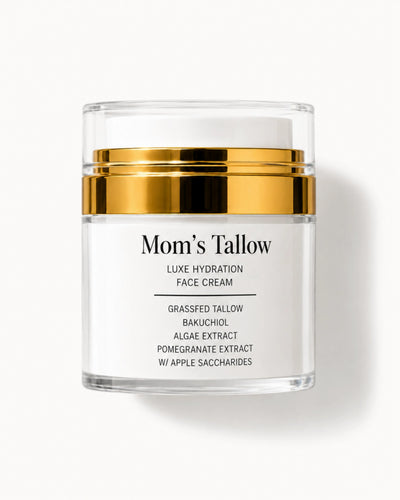
| Commute, school run, dog walk | A rich everyday cream under sunscreen | Luxe Hydration Tallow Face Cream |
| Running or anything sweaty | A lighter, whipped texture so you don't feel heavy | Cloud Whipped Tallow Face Cream |
| A full ski day | Rich cream, high-SPF sunscreen, full coverage | Luxe under your sunscreen, plus Tallow Lip Balm |
| The evening after | Cream plus a balm layer on dry patches | Radiance Revival Tallow Balm |
Wearing makeup on top? Our guide to wearing tallow under makeup covers the timing. For the rest of your body in winter, see our winter skincare routine for dry skin.
Common mistakes
- Skipping sunscreen because it's cold or cloudy. UV gets through on cool, cloudy, windy days too.
- Thinking a thick balm is sun protection. Tallow, petroleum jelly and plain oils are not sunscreen. Put sunscreen on top.
- Applying sunscreen first and cream on top. Your sunscreen should be the last skincare layer so it stays even.
- Licking your lips. Saliva evaporates fast in cold wind and leaves lips drier.
- A long hot shower afterward. Keep it short and lukewarm, then moisturize.
- New actives the night before a ski trip. Save a new retinol or peel for a quieter week.
For kids on the slopes
Kids get the same reflected light and wind. Keep it simple: a sunscreen made for children on all exposed skin, a neck gaiter they'll actually keep on, goggles, and a lip balm in their pocket. If they like a moisturizer underneath, use a small amount and let it settle first. Patch test anything new on a small area a day or two before the trip.
When to check with a doctor
Everyday dryness and tightness after a cold day usually settle with gentle care and moisture. See a doctor if your skin blisters, turns white, waxy or numb (signs of frostbite need prompt care), or if redness and soreness are severe or don't improve after a few days. Moisturizers are cosmetic; they aren't a treatment for burns or cold injuries.
What we'd pack
- Luxe Hydration Tallow Face Cream for under your sunscreen every morning.
- Grass-Fed Tallow Lip Balm in every coat pocket.
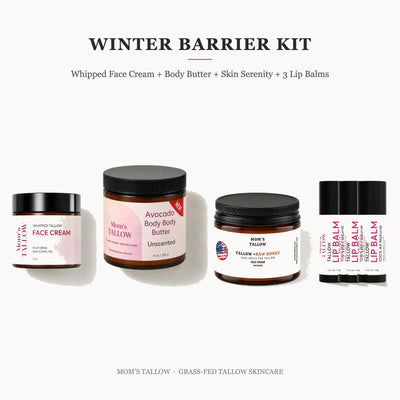
- The Winter Barrier Kit if you want a face cream, body butter, face balm and three lip balms in one box for the cold months.
Everything is made in small batches in New Jersey. Not sure whether a richer or lighter cream suits you? The free 10-second Skin Scan suggests a texture based on how your skin looks in the light; it's a cosmetic guide, not a medical test. If you go through a jar every month or two, Subscribe & Save takes 15% off every delivery, and US orders over $75 ship free.
FAQ
Should I put moisturizer or sunscreen on first in cold weather?
Moisturizer first, then sunscreen. Give the cream 3 to 5 minutes to settle so the sunscreen goes on evenly as the last layer.
Does tallow protect your skin from wind?
A rich tallow cream helps your face feel more comfortable in cold, dry wind by keeping it moisturized. It doesn't block UV, so wear sunscreen on top and cover up with a buff or mask.
Is windburn just sunburn?
Often, yes. Health sources point out that the sun is usually the main cause of what people call windburn, with cold, dry wind making skin drier and more uncomfortable. Snow reflects up to 80 percent of UV light, so protect from both.
Can I use Vaseline or tallow instead of sunscreen when skiing?
No. Thick balms and petroleum jelly are not sunscreen. Use them for comfort if you like, and put a broad-spectrum sunscreen over exposed skin.
What should I put on my face after a cold, windy day?
Wash with lukewarm water, then apply a rich cream to slightly damp skin. On very dry nights, add a thin layer of balm on top. If skin blisters or feels numb, see a doctor.